Sun, road grime, bird droppings and sap all attack your finish. Here is how the main protection options compare for RVs and tow vehicles.
An RV spends much of its life outdoors, often parked in full sun. Road debris, ultraviolet light, acid rain and even regular washing gradually wear down the paint and gel coat. Good protection slows that damage and preserves resale value.
Why the finish wears out
The clear coat on painted surfaces protects the color underneath, but UV light breaks it down over time. On fiberglass RVs, the gel coat can oxidize and turn chalky. Once that happens, restoring the shine takes compounding and polishing.
Common threats
- Bird droppings and tree sap, which are acidic and can etch the surface
- Road tar and brake dust, which bond to paint
- UV exposure, which fades and oxidizes finishes
- Hard water spots from sprinklers and washing
Wax
Traditional wax is inexpensive and easy to apply. It adds shine and some protection but usually lasts only a couple of months, less on a vehicle that is driven and washed often.
Synthetic sealants
Polymer sealants last longer than wax, often several months, and are still simple to apply yourself.
Ceramic coatings
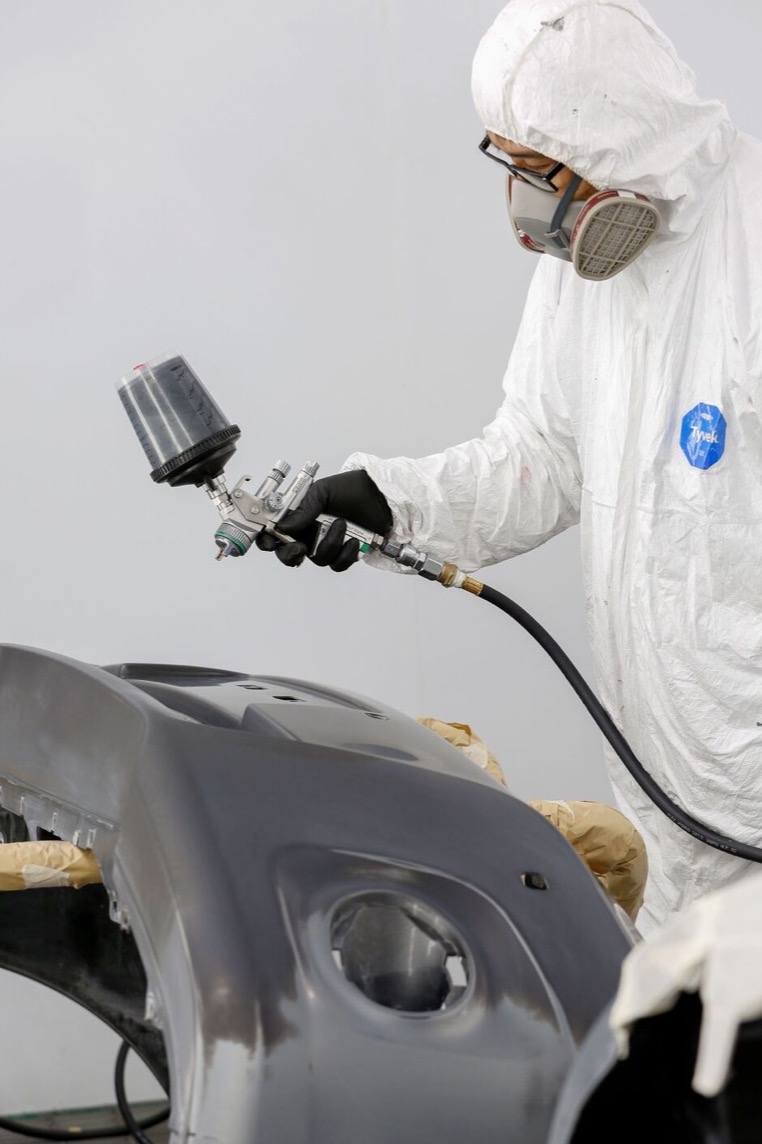
A ceramic coating is a liquid that bonds chemically to the surface and cures into a hard protective layer. It resists UV, water and contaminants for a year or more, and makes washing much easier. Professional application on a large RV can be costly, but many owners find the time saved on washing worth it.
Paint protection film
Clear film on the front cap and lower panels shields against rock chips. It is the most expensive option but offers physical protection the others cannot.
Care tips
Wash with a pH-neutral soap, remove bird droppings promptly, use a cover or shaded storage when possible and inspect the roof and seals at the same time.
Before you buy or go: specs, prices and road conditions change. Confirm with the manufacturer or dealer, check your tow and payload ratings, and check road status before heading out.